

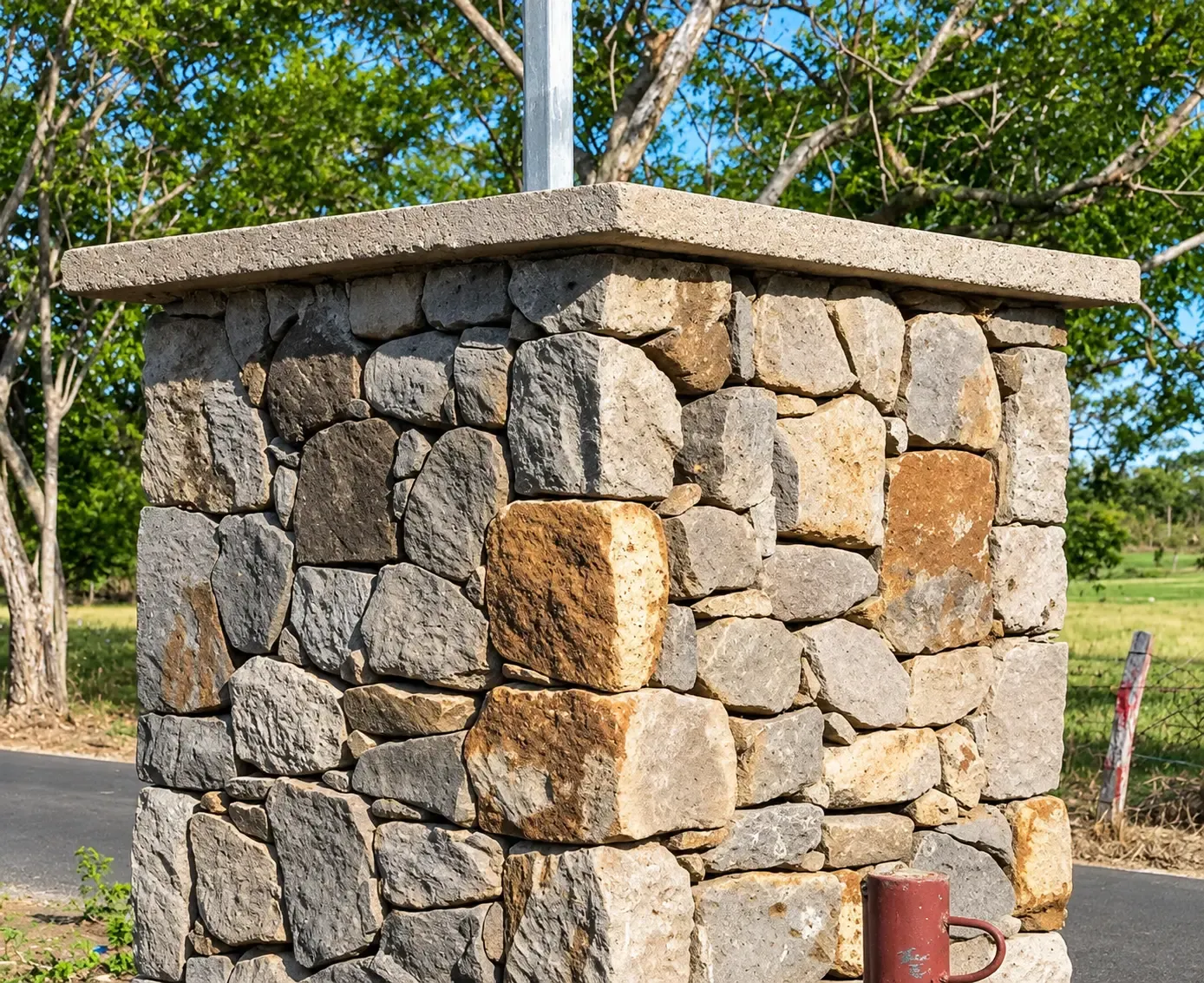
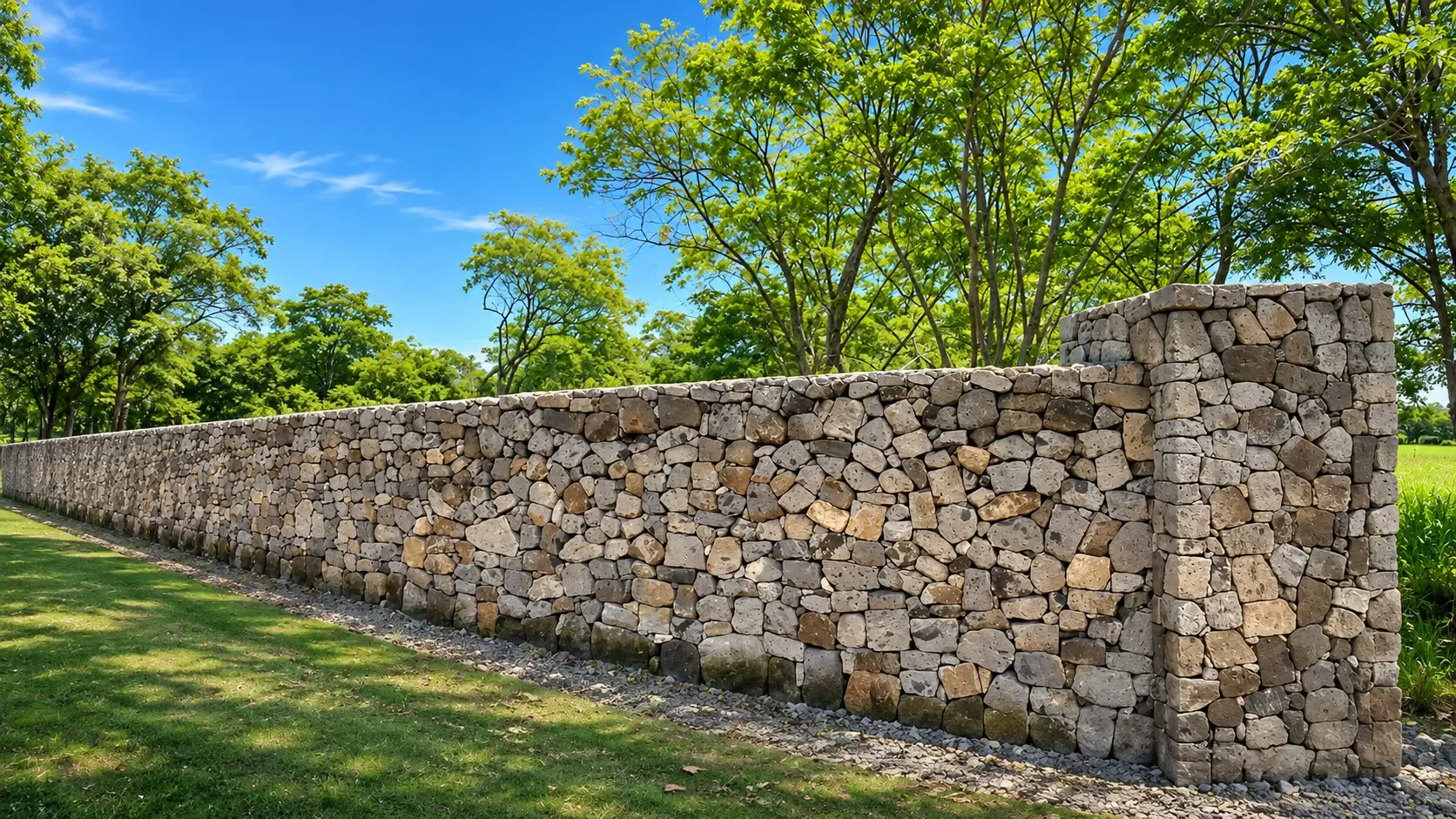
Stone upon stone:the living history behind our walls.
Every stone placed with skill does not just raise a wall; it safeguards a legacy and celebrates the roots of our land.
01The dry stone technique
Read more
Historically, this way of building comes from the technique known as "dry stone" (or "pirca" in South America). It is an ancient craft that emerged in the Neolithic period, when farming communities began clearing land to grow crops and raise livestock, using the same stones they removed to build boundaries, paths, and shelters.
02Intangible Cultural Heritage
Read more
In 2018, UNESCO recognized the art of dry stone walling as Intangible Cultural Heritage of Humanity, acknowledging its value as a clean, sustainable technique that blends perfectly into the landscape.
03The roots in Guanacaste
Read more
In Guanacaste, stone walls and corrals date back to the 17th and 18th centuries, with the rise of the great cattle ranches. In colonial times there was no cement in the region and wood decayed quickly in the climate, so ranch hands used the volcanic and culebra stone of the plains to build retaining walls and perimeter corrals that resist fire, earthquakes, and time. The stone corrals of Hacienda Santa Rosa (built around 1700) and Hacienda El Viejo still stand as proof of their ancestors’ craftsmanship.
04Still relevant today
Read more
Today these walls are no longer purely utilitarian: they have become an element of landscape architecture and rustic luxury, keeping their original qualities. They blend into the Guanacaste landscape and withstand extreme weather without cracking, and building with local stone honors the roots of the province, giving estates, properties, and façades a historic, artisanal, and highly durable character.